Aviation Safety: Capacity Building for Conducting Safety Studies
Published: Thursday, 05 March 2026 11:24

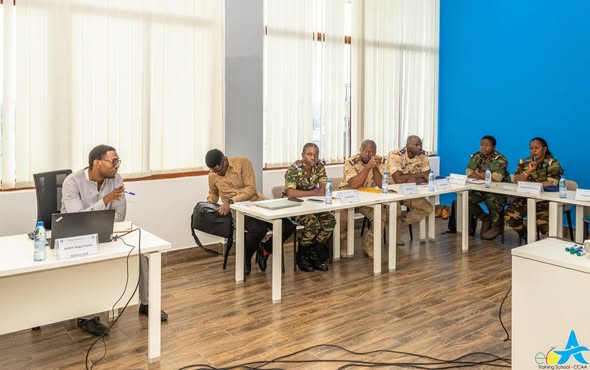
The CCAA organized this training session from March 16 to 20, 2026, at its Training School (EFO) to equip sector professionals with tools to identify potential risks induced by the numerous changes that can occur in civil aviation and to propose adequate mitigation measures.
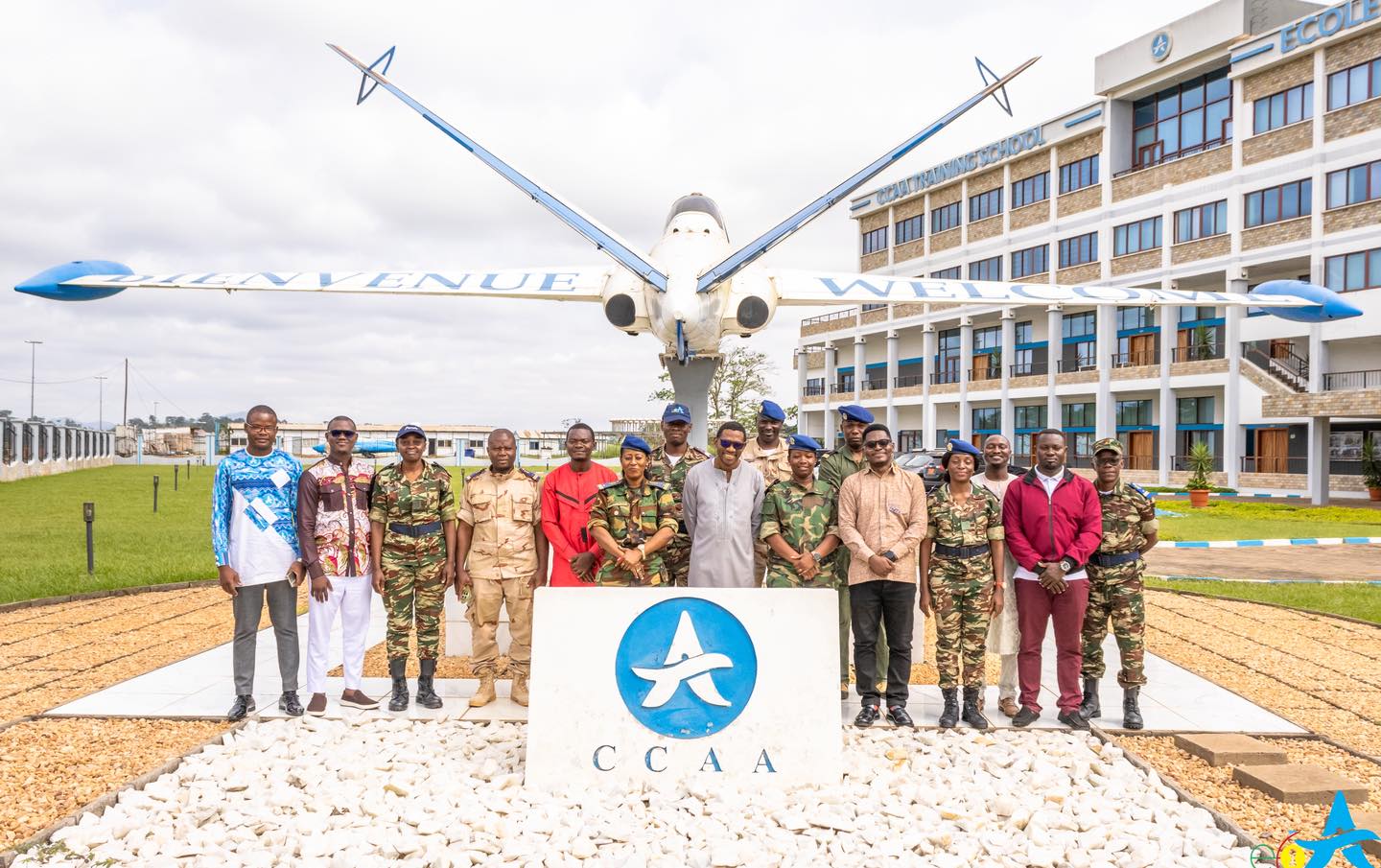
Organized within the framework of change management, this training program aimed to ensure that any change, whether arising from the installation of new equipment, modifications to working methods, or the acquisition of new aircraft, does not degrade current safety levels. Upon completion of this training, trainees will be capable of conducting rigorous analyses, including complex cases of regulatory exemptions.
Under the guidance of Mr. Njock Tangui, an expert instructor from the CCAA’s Air Safety Directorate, the training favored an interactive approach over abstract theories. This included workshops enhanced by practical exercises, where participants were presented with real-life case studies of changes recorded at airports. In short, the training relied on:
-Group brainstorming sessions;
-Real case studies from the local aeronautical environment;
-Simulations of change scenarios where participants had to identify hazards, assess risks, and propose concrete mitigation measures.
-The program covered the entire safety management process, structured around seven fundamental pillars:
-Basic principles of safety management;
-Methodology for conducting Safety Studies (EDS);
-Precise characterization of changes;
-Functional analysis via the Safety Assessment Methodology (SAM);
-Preliminary system safety assessment;
-Safety assurance to guarantee the reliability of solutions;
-Continuous monitoring of changes in coordination with authorities.
According to the instructor, the emphasis on the SAM method and systemic analysis is crucial because: "Trainees place themselves in real-world situations to apply the entire risk management process. The idea is to move from theory to an operational capacity for hazard identification as soon as a change appears."
Through this training session, the CCAA reaffirms once again its leadership role in promoting a proactive safety culture, which is essential for the development of safe and efficient air transport in Cameroon.
MKG/CEA-CRP