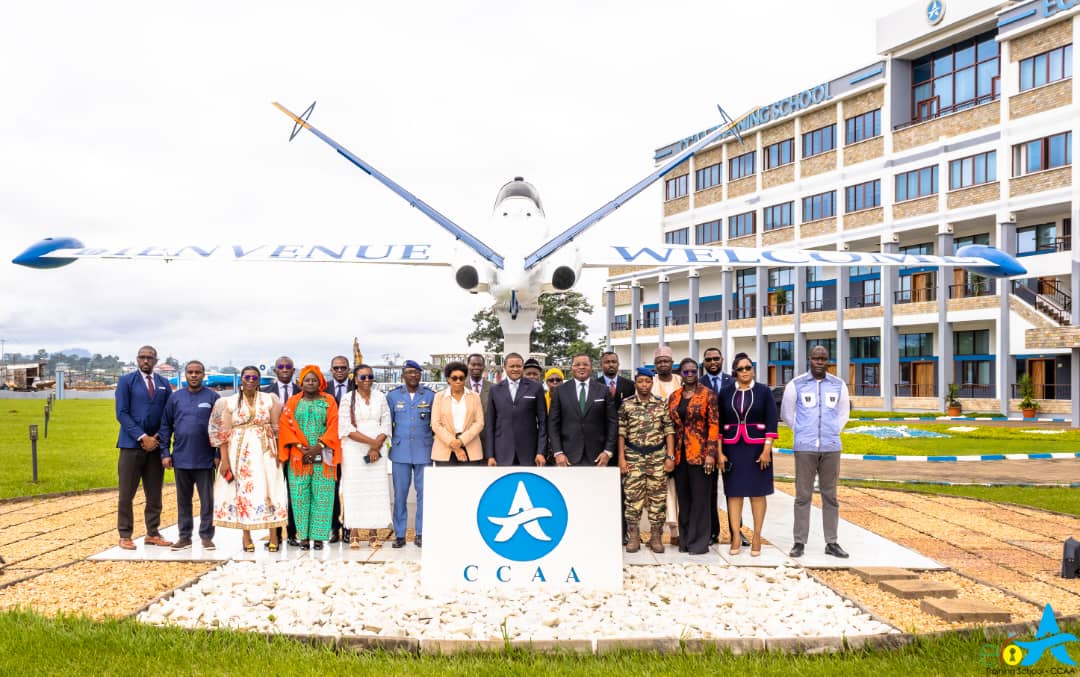
Annual meeting of the National Committee for Bird and Wildlife Risk Prevention

The Minister for Transport, Jean Ernest Masséna Ngallé Bibèhé, chaired the meeting of the Committee on Wednesday, 10 September 2026, in Yaoundé-Nsimalen, in the presence of the Deputy Minister, Njoya Zakariaou, and the Director-General of the CCAA, Ms Paule ASSOUMOU KOKI, who acted as technical secretary.
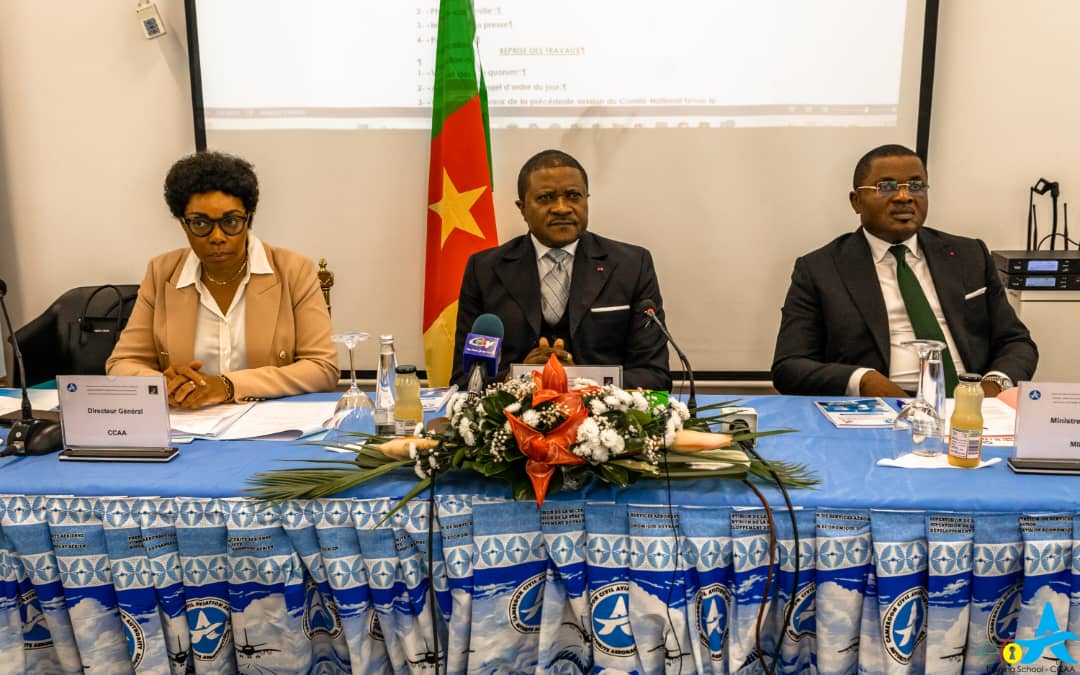
This session brought together the main ministerial departments and stakeholders involved in this issue and aimed to identify ways and means of sustainably reducing the number of incidents caused by bird and wildlife hazards affecting air operations and, thereby, enhancing flight safety at our airports.
Indeed, in Cameroon, between January 2019 and June 2026, 656 incidents related to wildlife hazards were recorded, more than half of which occurred at Douala International Airport and 45 per cent at Yaoundé-Nsimalen. Of these incidents, eighteen seriously disrupted airline operations, causing damage to aircraft and, in some cases, leading to major flight disruptions.
The data collected also shows that 95 per cent of collisions most frequently occur during the critical approach and take-off phases, and beyond the immediate boundaries of the airports.
To reduce this phenomenon, initiatives are already being implemented on the ground; one example is the wildlife surveys carried out by the CCAA at Douala International Airport, which provide a detailed map of the most dangerous species at these airports, notably: the black kite, the cattle egret, the crested eagle and the African palm-cuckoo. This now enables us to understand the behaviour of high-risk species better, identify critical areas and target the most effective preventive measures.
This is why the Minister for Transport has called for inter-institutional collaboration involving local authorities, administrative bodies and sectoral departments to tackle this scourge; he also emphasised that such prevention is a strategic imperative for public safety, directly linked to the protection of human life, the continuity of air operations and the competitiveness of our airports.
During the meeting, several items were on the agenda: the situation regarding wildlife risk at Cameroon’s aerodromes; a presentation of the findings from wildlife studies conducted at the international airports of Douala, Yaoundé-Nsimalen and Garoua; an analysis of bird risk management and its impact on airline operations; and a presentation of the measures taken to prevent and combat wildlife risk at Cameroon’s international airports. Finally, the committee recommended coordinated efforts to reduce factors that attract wildlife around airport facilities.