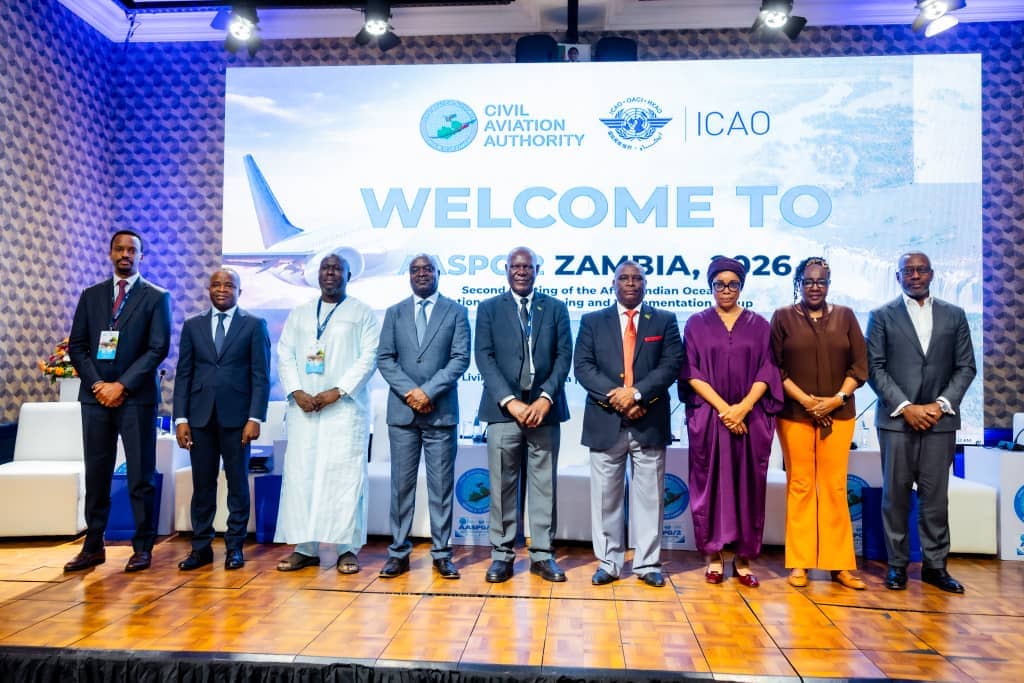
Civil aviation: Africa adopts its ATM master plan and ATM 2045 vision in Livingstone

The second meeting of the Africa–Indian Ocean Aviation System Planning and Implementation Group (AASPG/2) has concluded November 6 2026, in Livingstone, Zambia, under the chairmanship of Mrs Paule Avomo Assoumou Koki, Director General of the Cameroon Civil Aviation Authority (CCAA). The meeting marked a significant step forward for the future of African civil aviation with fifty conclusions and decisions adopted, while ten strategic documents, frameworks and roadmaps were endorsed, including the Air Traffic Management (ATM) Master Plan for the AFI Region, the ATM Vision 2045 and the roadmap for implementing the Flight and Flow Information for a Collaborative Environment (FF-ICE) concept.
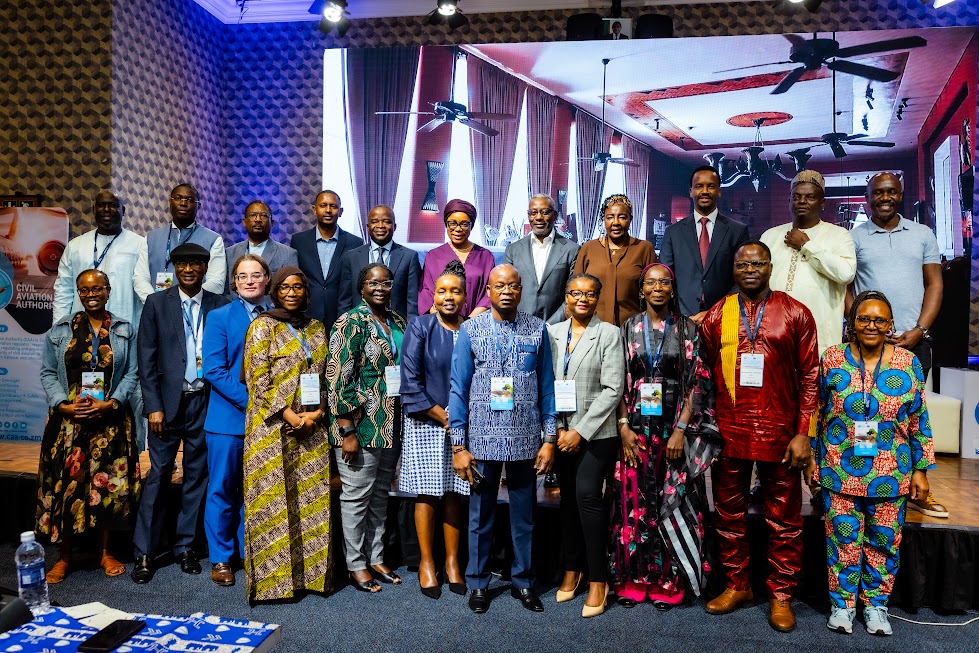
After five days of work, from November 2 to 6, 2026, representatives of States, international and regional organizations, and aviation industry partners who were gathered in Livingstone defined new directions for building a safer, more modern and better-integrated African aviation system.
Chaired by the Director General of the Cameroon Civil Aviation Authority, this second AASPG meeting enabled regional priorities to be translated into shared decisions and concrete actions.
At the close of the proceedings, the Chairperson announced the adoption of fifty conclusions and decisions covering the various pillars of the aviation system: air and airport operations, infrastructure, aeronautical information management, and safety and oversight.
Among the main outcomes of the meeting was the endorsement of the AFI ATM Master Plan and the AFI ATM Vision 2045 and its Future Concept of Operations.
These two documents are complementary strategic instruments for guiding the evolution of air traffic management in Africa.
It should be recalled that the ATM Master Plan sets out the broad directions for modernising air traffic management services. It aims, inter alia, to improve the organisation and use of airspace, strengthen coordination among States and support the growth of air traffic in the region.
The ATM Vision 2045, for its part, projects the continent towards an air traffic management system adapted to future requirements. It takes into account technological developments, emerging operational needs and the need to develop more integrated and higher-performing air navigation services.
Together, these two instruments provide Africa with a common direction for building a modern, collaborative aviation system capable of meeting the challenges of the coming decades. They will be presented for endorsement at the African Air Navigation Services (ANS) Summit.
Another important outcome of the meeting was the adoption of the implementation roadmap for Flight and Flow Information for a Collaborative Environment (FF-ICE).
This operational methodology is based on the structured sharing of flight and air traffic flow management information among the various stakeholders in the sector.
It is intended to enable airlines, air traffic control services and other stakeholders to exchange more effectively the information required for flight planning and monitoring. The objective is to improve planning, strengthen operational coordination and facilitate the flow of air traffic.
Since its implementation is expected before 2032, this roadmap calls on States and relevant partners to anticipate the technological, organizational and operational adaptations required.
Beyond the ATM Master Plan, Vision 2045 and FF-ICE, the Livingstone proceedings also endorsed other key documents for the development of civil aviation in the Africa–Indian Ocean region.

· The ten documents, frameworks and initiatives presented in the Chairperson’s closing statement are as follows:
· The FF-ICE roadmap, intended to support the implementation of this new methodology for managing and sharing flight information.
· The revised aerodrome certification project document, accompanied by the creation of new project teams dedicated to water aerodromes, advanced air mobility and civil aerodromes used jointly for civil and military activities.
· The AFI Regional ATM Contingency Framework, intended to strengthen preparedness and coordination in response to disruptions to air navigation services.
· The AFI ATM Master Plan and the ATM Vision 2045, which set out the directions and future operational concept for air traffic management.
· The revised roadmap for preparation of the AFI ANS Summit, intended to strengthen the monitoring of regional actions and commitments.
· The AFI Regional Aviation Safety Plan 2026–2028 (AFI RASP), which sets out regional directions for improving aviation safety.
· The second edition of the AFI Performance-based Navigation Implementation Plan (AFI PBN Implementation Plan), aimed at improving the efficiency and precision of air navigation.
· The updated AODEX manual and its implementation roadmap for the exchange of OPMET meteorological information, intended to strengthen the sharing of meteorological information required for aviation operations.
· The revised volcanic ash coordination framework, intended to improve regional coordination in response to risks associated with these phenomena.
· The creation of the Tactical Action Committee of the Air Traffic Services Event Analysis Group, intended to strengthen the analysis and handling of operational events.
These different documents reflect the scope of the work carried out and the determination of African States to establish common frameworks for improving safety, infrastructure, air navigation services and regional coordination.
In her closing address, Mrs Paule Avomo Assoumou Koki stressed the need to translate the decisions taken into tangible results.
While recalling that the meeting was held under the theme of moving from planning to implementation, she invited every State and organization represented to take ownership of the conclusions and decisions adopted, designate the officials responsible for their implementation, and report on the progress achieved at the next AASPG meeting.
She emphasized that these outcomes were the result of collective work involving States, the Secretariat of the International Civil Aviation Organization (ICAO), regional and international organizations, and industry partners.
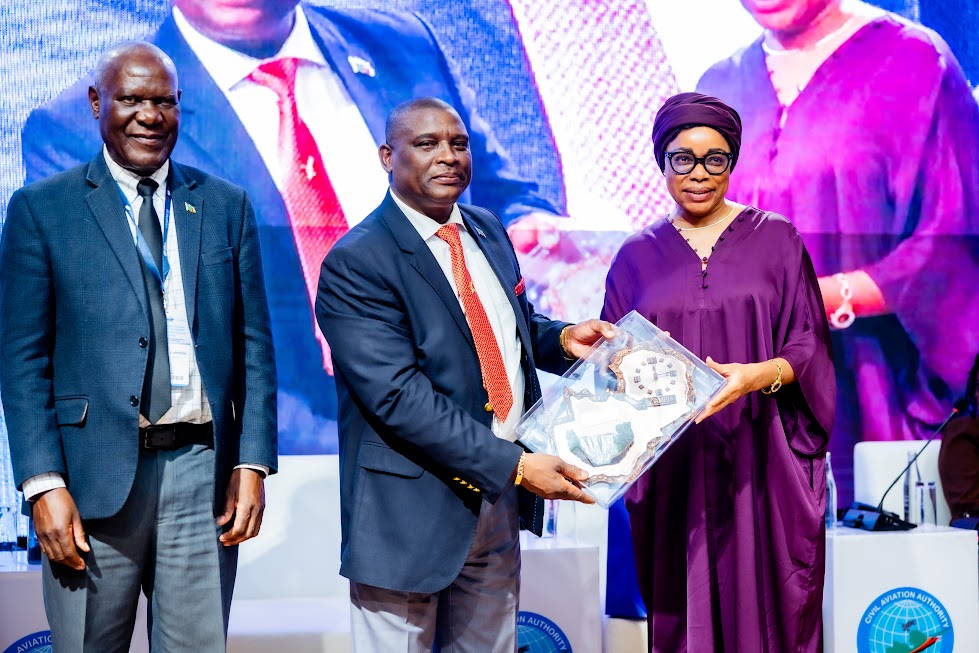
The Chairperson particularly commended the contributions of the African Civil Aviation Commission (AFCAC), the International Air Transport Association (IATA), the Civil Air Navigation Services Organization (CANSO), the African Airlines Association (AFRAA), the AFI Regional Monitoring Agency (ARMA), the Regional Safety Oversight Organisations (RSOOs), the Regional Economic Communities (RECs), the Agency for Air Navigation Safety in Africa and Madagascar (ASECNA), Air Traffic and Navigation Services (ATNS), and the sector’s other partners.
She also expressed her appreciation to the Government and people of Zambia, as well as to the Zambia Civil Aviation Authority, for the quality of the hospitality and the excellent working conditions provided to the delegations.
In Livingstone, Africa thus laid new foundations for its aviation future. With the ATM Master Plan, Vision 2045, the FF-ICE roadmap and the other strategic documents endorsed, the continent now has new reference frameworks to accelerate the modernization of its aviation system and meet the challenges of the coming decades.
Sandrine ZOBO / CRP-CCAA
Trans: MKG/ CEA-CRP