Cameroon Civil
Aviation Authority

Aeronautical operations

Coopération

The Convention on Civil Aviation requires Contracting States to provide assistance to aircraft in distress. This calls upon these States not only to coordinate their SAR services with those of neighbouring States, but also to cooperate with other services that may participate in such operations. In the case of the State of Cameroon, cooperation in the provision of SAR services is demonstrated at several levels: 

  • SAR agreements between Cameroon and neighbouring countries;
  • SAR agreements between operational organisations.
SAR agreements between Cameroon and neighbouring countries

Although they are of a more strategic nature, they lay the groundwork for effective inter-state coordination in the overall organisation and conduct of cross-border SAR operations. In the current configuration, the State of Cameroon has SAR agreements with Gabon, Chad, the Central African Republic, the Republic of Congo, and Equatorial Guinea.

This cooperation framework was concluded on 27 and 28 September 2019 in Montreal, respectively between the Republic of Cameroon and the Republics of Congo and Equatorial Guinea, on the sidelines of the 40th General Assembly of ICAO in Montreal (at the beginning of 2025, a SAR agreement was concluded with the Central African Republic…).

Briefly list the agreements

Cameroon’s Minister of Transport, Jean Ernest Masséna NGALLE BIBEHE, signed these cooperation agreements in turn with the Minister of Transport, Civil Aviation and the Merchant Navy of the Republic of Congo, Mr Fidèle DIMOU, and then with the Minister of Civil Aviation of Equatorial Guinea, Mr Leandro MIKO ANGUE.

Indeed, these agreements set out the modalities of cooperation between the Rescue Coordination Centres of Brazzaville and the Rescue Sub-Centre of Yaounde, as well as the arrangements between the Yaounde Centre and the Malabo Centre. They also establish the conditions for the availability, deployment, reciprocal use, and coordination, in peacetime, of search and rescue resources for aircraft in distress within the territories of the three States.

In practice, the centre in charge of operations may request assistance from the other centre in the event of an aircraft distress situation. Each centre, within the framework of a SAR operation, shall also provide the other with information on the operational status of the SAR resources at its disposal.

Following the signing of these agreements, the Civil Aviation Authorities of the three states will establish coordination mechanisms to improve communication between the various search and rescue centres. In the long term, this pooling of resources across the sub-region will undoubtedly contribute to the ongoing efforts to meet the standards set by the ICAO.


Figure 3. From left to right: signature of SAR agreements between the State of Cameroon and the States of Congo, Equatorial Guinea, and Chad.

This category of agreements covers more tactical and operational aspects in the conduct of SAR activities. These include: 

  • Memoranda of Understanding (LOAs) RSC/ATS between the Yaounde RSC and Air Traffic Services (ATS) units in Cameroon. There are 02 of such agreements:
    • One LOA between the Yaounde RSC and the ASECNA Cameroon ATS Centres;
    • One LOA between the Yaounde RSC and the Flight Information Centre (FIC) of N’Djamena.
  • Working agreement between the Yaounde RSC and the Las Palmas Mission Control Centre (MCC).


A wave of modernisation is sweeping through Cameroon’s SAR infrastructure…

5 March 2025 marks the anniversary of the inauguration of the new, state-of-the-art building housing Cameroon’s Rescue Sub-centre. Under the distinguished patronage of the Minister of Transport, and in the presence of the Secretary General of the International Civil Aviation Organisation (ICAO), Mr Juan Carlos SALAZAR, accompanied by several senior officials and strategic partners, the Director General of the CCAA unveiled this architectural gem, which marks an important milestone in strengthening search and rescue capabilities in civil aviation. Indeed, given that it is essential to act swiftly and effectively when an aircraft goes missing, it seems only natural for the CCAA to step up its efforts by acquiring this vessel, which is equipped with modern tools and staffed by qualified personnel.

Figure 4. The new Rescue Sub-Centre (RSC) of Cameroon (brief overview of the former rescue centre)

Its construction forms part of the first phase of a larger project led by the Director General of the CCAA, which aims to create a modern, self-sufficient civil aviation ecosystem that fosters personal fulfilment. It is located at the Yaounde-Nsimalen Airport.

The completion of this new centre will undoubtedly help raise Cameroon to the highest standards in the field of search and rescue for aircraft in distress (please add a caption and provide further details)

As part of its preventive SAR service provision, the Yaounde SAR Centre monitors distress beacon transmissions across the entire national territory and within territorial waters. It is important for aircraft to register their distress beacons in order to facilitate identification and location in case of an alert. 

Register of ELTs beacons for aircraft based in Cameroon. Image or list pending

Aircraft operations

Coopération

The Convention on Civil Aviation requires Contracting States to provide assistance to aircraft in distress. This calls upon these States not only to coordinate their SAR services with those of neighbouring States, but also to cooperate with other services that may participate in such operations. In the case of the State of Cameroon, cooperation in the provision of SAR services is demonstrated at several levels: 

  • SAR agreements between Cameroon and neighbouring countries;
  • SAR agreements between operational organisations.
SAR agreements between Cameroon and neighbouring countries

Although they are of a more strategic nature, they lay the groundwork for effective inter-state coordination in the overall organisation and conduct of cross-border SAR operations. In the current configuration, the State of Cameroon has SAR agreements with Gabon, Chad, the Central African Republic, the Republic of Congo, and Equatorial Guinea.

This cooperation framework was concluded on 27 and 28 September 2019 in Montreal, respectively between the Republic of Cameroon and the Republics of Congo and Equatorial Guinea, on the sidelines of the 40th General Assembly of ICAO in Montreal (at the beginning of 2025, a SAR agreement was concluded with the Central African Republic…).

Briefly list the agreements

Cameroon’s Minister of Transport, Jean Ernest Masséna NGALLE BIBEHE, signed these cooperation agreements in turn with the Minister of Transport, Civil Aviation and the Merchant Navy of the Republic of Congo, Mr Fidèle DIMOU, and then with the Minister of Civil Aviation of Equatorial Guinea, Mr Leandro MIKO ANGUE.

Indeed, these agreements set out the modalities of cooperation between the Rescue Coordination Centres of Brazzaville and the Rescue Sub-Centre of Yaounde, as well as the arrangements between the Yaounde Centre and the Malabo Centre. They also establish the conditions for the availability, deployment, reciprocal use, and coordination, in peacetime, of search and rescue resources for aircraft in distress within the territories of the three States.

In practice, the centre in charge of operations may request assistance from the other centre in the event of an aircraft distress situation. Each centre, within the framework of a SAR operation, shall also provide the other with information on the operational status of the SAR resources at its disposal.

Following the signing of these agreements, the Civil Aviation Authorities of the three states will establish coordination mechanisms to improve communication between the various search and rescue centres. In the long term, this pooling of resources across the sub-region will undoubtedly contribute to the ongoing efforts to meet the standards set by the ICAO.
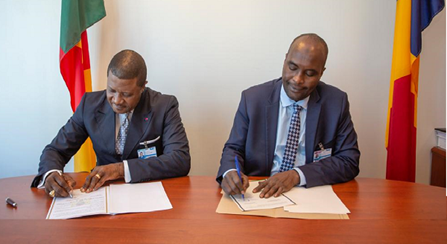
Figure 3. From left to right: signature of SAR agreements between the State of Cameroon and the States of Congo, Equatorial Guinea, and Chad.

This category of agreements covers more tactical and operational aspects in the conduct of SAR activities. These include: 

  • Memoranda of Understanding (LOAs) RSC/ATS between the Yaounde RSC and Air Traffic Services (ATS) units in Cameroon. There are 02 of such agreements:
    • One LOA between the Yaounde RSC and the ASECNA Cameroon ATS Centres;
    • One LOA between the Yaounde RSC and the Flight Information Centre (FIC) of N’Djamena.
  • Working agreement between the Yaounde RSC and the Las Palmas Mission Control Centre (MCC).


A wave of modernisation is sweeping through Cameroon’s SAR infrastructure…

5 March 2025 marks the anniversary of the inauguration of the new, state-of-the-art building housing Cameroon’s Rescue Sub-centre. Under the distinguished patronage of the Minister of Transport, and in the presence of the Secretary General of the International Civil Aviation Organisation (ICAO), Mr Juan Carlos SALAZAR, accompanied by several senior officials and strategic partners, the Director General of the CCAA unveiled this architectural gem, which marks an important milestone in strengthening search and rescue capabilities in civil aviation. Indeed, given that it is essential to act swiftly and effectively when an aircraft goes missing, it seems only natural for the CCAA to step up its efforts by acquiring this vessel, which is equipped with modern tools and staffed by qualified personnel.
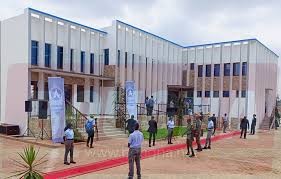
Figure 4. The new Rescue Sub-Centre (RSC) of Cameroon (brief overview of the former rescue centre)

Its construction forms part of the first phase of a larger project led by the Director General of the CCAA, which aims to create a modern, self-sufficient civil aviation ecosystem that fosters personal fulfilment. It is located at the Yaounde-Nsimalen Airport.

The completion of this new centre will undoubtedly help raise Cameroon to the highest standards in the field of search and rescue for aircraft in distress (please add a caption and provide further details)

As part of its preventive SAR service provision, the Yaounde SAR Centre monitors distress beacon transmissions across the entire national territory and within territorial waters. It is important for aircraft to register their distress beacons in order to facilitate identification and location in case of an alert. 

Register of ELTs beacons for aircraft based in Cameroon. Image or list pending