Cameroon Civil
Aviation Authority

Aeronautical operations

General Organization of the SAR Service in Cameroon

Définitions

Annex 12 of the International Civil Aviation Organisation (ICAO) defines the search for an aircraft as an operation normally coordinated by a search and rescue coordination centre or a secondary search and rescue centre, using available personnel and resources to locate persons in distress.

In the same terms, it defines rescue as an operation intended to save persons in distress, provide them with first aid medical care or otherwise, and put them in the safe place.

From these terms, it summarizes the provision of search and rescue services, more commonly referred to as Search and Rescue (SAR), as the performance of functions such as monitoring distress situations, communications, coordination, search and rescue, initial medical assistance or medical evacuation, using public and private resources, including aircraft, vessels, and other vehicles and facilities.

According to the International Civil Aviation Organisation (ICAO), there are three levels of SAR coordination, namely: 

  • The National SAR Coordinator: this is the person responsible for setting the overall SAR policy, without, however, being directly involved in the conduct of SAR operations. In the case of Cameroon, this falls under the joint responsibility of the Ministry of Defence (MINDEF) and the Ministry of Transport (MINT), through the secular arms of the Air Force General Staff (EMAA) on the one hand and the Cameroon Civil Aviation Authority (CCAA) on the other.
  • The Search and Rescue Mission Coordinator (SMC): This is generally a temporary role assigned to a person tasked with coordinating the response to an actual or apparent distress situation. In the case of Cameroon, only a person qualified as an SMC may perform this duty.
  • The On-Site Coordinator:This is the person responsible for coordinating search and rescue operations within a specified area. This role is generally assigned to air, land and maritime search and rescue units, in coordination with the National Gendarmerie, the armed forces and coastal surveillance operations centres. 

The State of Cameroon is unique in that it is divided into two (02) SAR regions, namely the N’Djamena SAR Region in the north and the Brazzaville SAR Region in the south.
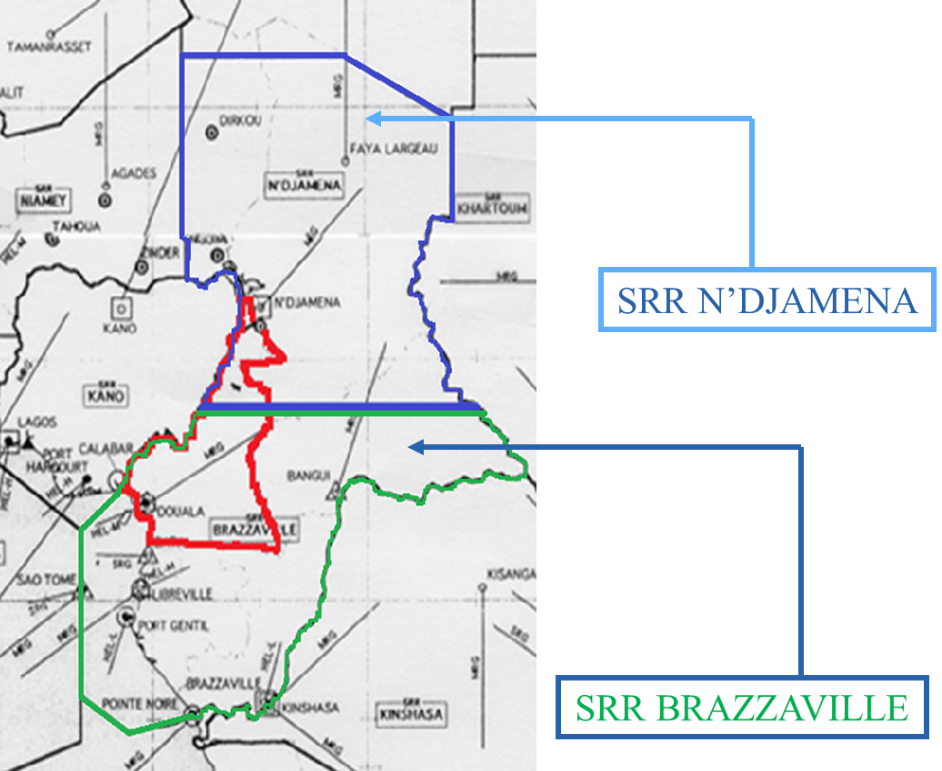
Figure 2.  Organisation of the SAR in Cameroon

The provision of SAR services across the whole of Cameroon is handled by the Rescue Sub-Centre (RSC). It is located in Yaounde-Nsimalen, close to the Yaounde-Nsimalen International Airport, and is jointly managed by the Air Force General Staff (EMAA) and the Cameroon Civil Aviation Authority (CCAA), as shown in the organisational chart below.
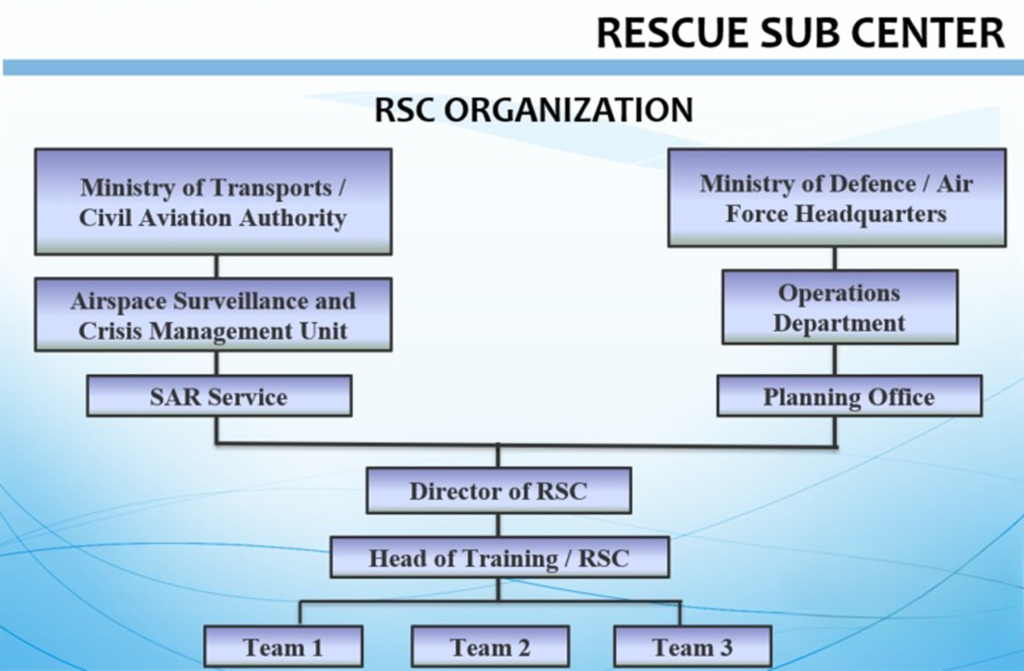
Figure 2.  Organisation of the SAR in Cameroon

This refers to all mobile resources, including designated search and rescue units, used to conduct search and rescue operations.

These resources are generally provided under the coordination of the Ministry of Defence

Aircraft operations

General Organization of the SAR Service in Cameroon

Définitions

Annex 12 of the International Civil Aviation Organisation (ICAO) defines the search for an aircraft as an operation normally coordinated by a search and rescue coordination centre or a secondary search and rescue centre, using available personnel and resources to locate persons in distress.

In the same terms, it defines rescue as an operation intended to save persons in distress, provide them with first aid medical care or otherwise, and put them in the safe place.

From these terms, it summarizes the provision of search and rescue services, more commonly referred to as Search and Rescue (SAR), as the performance of functions such as monitoring distress situations, communications, coordination, search and rescue, initial medical assistance or medical evacuation, using public and private resources, including aircraft, vessels, and other vehicles and facilities.

According to the International Civil Aviation Organisation (ICAO), there are three levels of SAR coordination, namely: 

  • The National SAR Coordinator: this is the person responsible for setting the overall SAR policy, without, however, being directly involved in the conduct of SAR operations. In the case of Cameroon, this falls under the joint responsibility of the Ministry of Defence (MINDEF) and the Ministry of Transport (MINT), through the secular arms of the Air Force General Staff (EMAA) on the one hand and the Cameroon Civil Aviation Authority (CCAA) on the other.
  • The Search and Rescue Mission Coordinator (SMC): This is generally a temporary role assigned to a person tasked with coordinating the response to an actual or apparent distress situation. In the case of Cameroon, only a person qualified as an SMC may perform this duty.
  • The On-Site Coordinator:This is the person responsible for coordinating search and rescue operations within a specified area. This role is generally assigned to air, land and maritime search and rescue units, in coordination with the National Gendarmerie, the armed forces and coastal surveillance operations centres. 

The State of Cameroon is unique in that it is divided into two (02) SAR regions, namely the N’Djamena SAR Region in the north and the Brazzaville SAR Region in the south.

Figure 2.  Organisation of the SAR in Cameroon

The provision of SAR services across the whole of Cameroon is handled by the Rescue Sub-Centre (RSC). It is located in Yaounde-Nsimalen, close to the Yaounde-Nsimalen International Airport, and is jointly managed by the Air Force General Staff (EMAA) and the Cameroon Civil Aviation Authority (CCAA), as shown in the organisational chart below.

Figure 2.  Organisation of the SAR in Cameroon

This refers to all mobile resources, including designated search and rescue units, used to conduct search and rescue operations.

These resources are generally provided under the coordination of the Ministry of Defence